Cedar Hill, TX · Dallas County
Emergency Water Extraction in Cedar Hill, TXBurst Pipe Water Extraction & Sewage Backup Cleanup
Get emergency water extraction in Cedar Hill for sewage backup cleanup, standing water removal and emergency water damage cleanup.
Answered 24/7
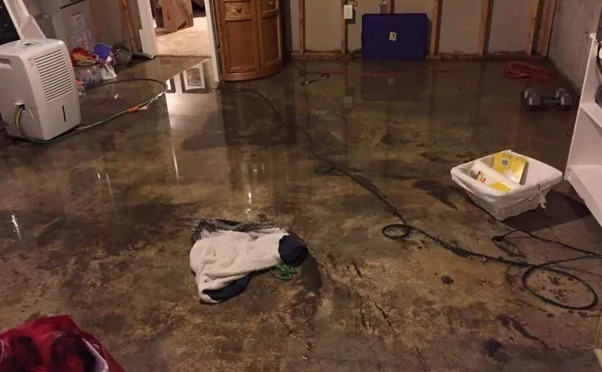
Emergency Water Extraction Response in Cedar Hill, Texas
A water emergency in a Cedar Hill business can close the doors. Extraction can start at night or on a weekend so the space can reopen as soon as possible.
Property owners in Cedar Hill can call (469) 209-4452 day or night when water starts spreading. Service also covers Duncanville, DeSoto and Ovilla, with the same extraction and drying steps.
Key Emergency Water Extraction Procedures in Cedar Hill
Burst Pipe Water Extraction
The burst section is noted and photographed for the plumber while the water is removed and the house is dried.
Sewage Backup Cleanup
After a sewage backup, soaked porous materials are removed and hard surfaces are disinfected before drying begins.
Wet Drywall Water Removal
Wet insulation behind drywall is removed along with the soaked section, so the cavity can dry fully.
Carpet Water Extraction Services
Weighted extraction tools press water out of carpet and pad in slow passes, removing far more water than a surface wand.
Emergency Flood Water Extraction
Pumping starts at the lowest point of the flooded area and continues until no standing water remains anywhere inside.
Signs Your Property Needs Emergency Water Extraction
Dripping Sounds or Leaks
Dripping or running water sounds when nothing is on mean a leak is still active somewhere.
Musty or Damp Odors
A damp or musty smell after a leak means water is still trapped in carpet, walls or subfloor.
Wet Insulation in Attics
Insulation in the attic that is wet or matted points to a roof leak or attic plumbing failure.
Swollen Doors or Cabinets
Doors that stick or cabinets that swell near a leak have soaked up water.
How Emergency Water Extraction Works in Cedar Hill
Step 1: Emergency Response Assessment
Power is made safe, sagging ceilings are checked and people are kept away from hazards.
Step 2: Water Extraction Process
Water is extracted from carpet, hard floors and low spots across every affected room.
Step 3: Targeted Drying and Dehumidification
Air movers and dehumidifiers dry the walls and subfloors where the water soaked in.
Step 4: Final Damage Documentation
Final readings confirm the structure is dry, and records are compiled for your insurer.
Typical Reasons for Emergency Water Extraction in Cedar Hill
Fire Suppression System Activation
Damaged or triggered fire sprinkler heads can soak a room or a whole floor quickly.
Roof Leaks From Storm Damage
Storm-damaged roofs let rain pour into attics and through ceilings into the rooms below.
Severe Weather and Flooding
Heavy storms and flooding push water into homes and businesses through doors, walls and roofs.
HVAC System Condensation Issues
Clogged AC condensate lines overflow into closets, attics and the ceilings of rooms below.
Emergency Water Extraction for Any Property Type in Cedar Hill
Residential Emergency Water Extraction
Families often want to save carpet and flooring. Fast extraction of clean water makes that possible in many cases.
Commercial Emergency Water Extraction
Property managers with several units get separate extraction and drying records, with photos, for each affected unit or suite.
Professional Emergency Water Extraction Over DIY in Cedar Hill
Do not walk into standing water if outlets, cords or appliances are submerged. Shut off power at the panel only if you can reach it from a dry spot, then call (469) 209-4452.
Understanding Emergency Water Extraction Cost in Cedar Hill
In Cedar Hill, water extracted within hours usually costs much less overall than water left until the next day, when it has soaked into more materials.
Required Drying Time
Drying usually takes several days, and each extra day of equipment adds to the total.
Contents and Materials
Furniture, belongings and stock that must be moved or protected add labor to the job.
Water Source and Type
Clean water costs less to extract and dry than sewage or floodwater, which needs disinfection.
Does Insurance Cover Emergency Water Extraction?
Coverage for emergency water extraction depends on the cause and your policy. The pros document the damage and drying, and your insurer decides what is covered.
Benefits of Local Emergency Water Extraction in Cedar Hill
Clear Communication
You get plain updates on what was extracted, what was removed and how drying is going.
Moisture Mapping
Meters and thermal cameras show where water spread under floors and inside walls.
24/7 Emergency Response
Help is available day or night, because water emergencies get worse every hour.
Round-the-Clock Emergency Water Extraction in Cedar Hill, TX
Night, weekend or holiday, local flood cleanup specialists handle water emergencies in Cedar Hill. Call (469) 209-4452 to get pumps and extractors working as soon as possible.
Call Now (469) 209-4452Emergency Water Extraction for Cedar Hill and Surrounding Communities
Nearby areas served for emergency water extraction include Duncanville, DeSoto and Ovilla, with the same pumps, extractors and drying steps used in Cedar Hill.
- Emergency Water Extraction in Duncanville
- Emergency Water Extraction in DeSoto
- Emergency Water Extraction in Ovilla
- Emergency Water Extraction in Glenn Heights
- Emergency Water Extraction in Oak Leaf
- Emergency Water Extraction in Midlothian
- Emergency Water Extraction in Grand Prairie
- Emergency Water Extraction in Red Oak
- Emergency Damage Restoration in 75104
- Storm Damage Restoration in 75104
- Water Damage Restoration in 75104
- Water Extraction Service in 75104
- Water Leak Detection in 75104
- Water Removal Service in 75104
- Emergency Damage Restoration in 75106
- Storm Damage Restoration in 75106
Common Emergency Water Extraction Questions Answered
What tools are used for emergency water extraction?
Submersible pumps, truck-mounted and portable extractors, weighted carpet tools, air movers, dehumidifiers and moisture meters.
Can water extraction prevent mold after a flood?
Fast extraction and drying are the main ways to keep mold from starting after a flood.
What follows the initial emergency water extraction?
Structural drying with air movers and dehumidifiers, daily readings and repairs once the building is dry.
What is moisture inspection and why is it needed?
Checking walls, floors and ceilings with meters and thermal cameras to find water that is not visible after extraction.
How is wet drywall handled during water removal?
Lightly damp drywall is dried through small holes near the base. Soaked drywall is cut out so the cavity can dry.